There are over two hundred species of jasmine. For perfumery, two matter most.
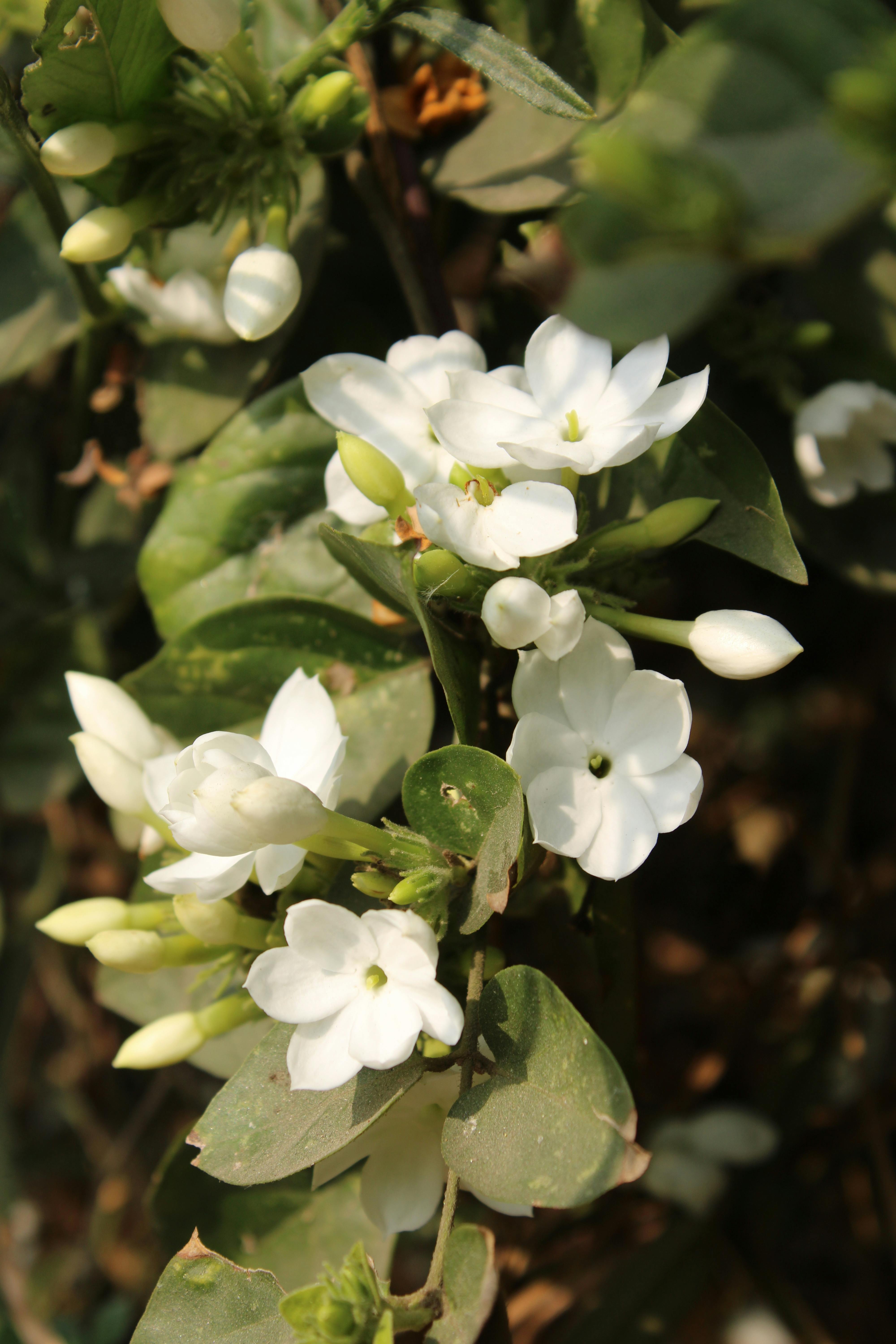
Jasminum Grandiflorum —grown primarily in Grasse and Egypt — is the variety most associated with classical French perfumery. It is elegant, slightly green, floral without aggression. The grande dame of the perfumer’s palette.
Jasminum Sambac is something else entirely.
Native to South and Southeast Asia, Sambac is the Jasmine of India. It blooms at night. The flowers must be harvested in the early hours before sunrise — not unlike rose — because the aromatic compounds are most volatile and most concentrated before the heat of day begins to drive them off. A Sambac flower left unpicked past sunrise is already beginning to lose what makes it remarkable.
The scent of Sambac is richer, darker, and more complex than Grandiflorum. It contains higher concentrations of Indole — the compound responsible for that animalic, slightly challenging quality that makes real Jasmine smell alive rather than merely pleasant. It also contains Benzyl acetate, Linalool, and a range of other compounds that together create something that has no precise synthetic equivalent.
India produces some of the finest Sambac in the world. The Jasmine grown in Tamil Nadu — particularly around Madurai, where the climate and soil produce flowers of extraordinary aromatic density — is considered among the best available anywhere.
This is the material I work with. Not because it is convenient. Because it is the exciting one.

The question I was asked most often, when I told people I was exploring putting together my first fragrance collection, was: how many?
It is a reasonable question. Most launches arrive with a sense of abundance — ten fragrances, twelve, twenty. The range signals ambition. It tells the market that the house has range, that there is something for everyone, that the investment in the brand is serious.
I chose six.
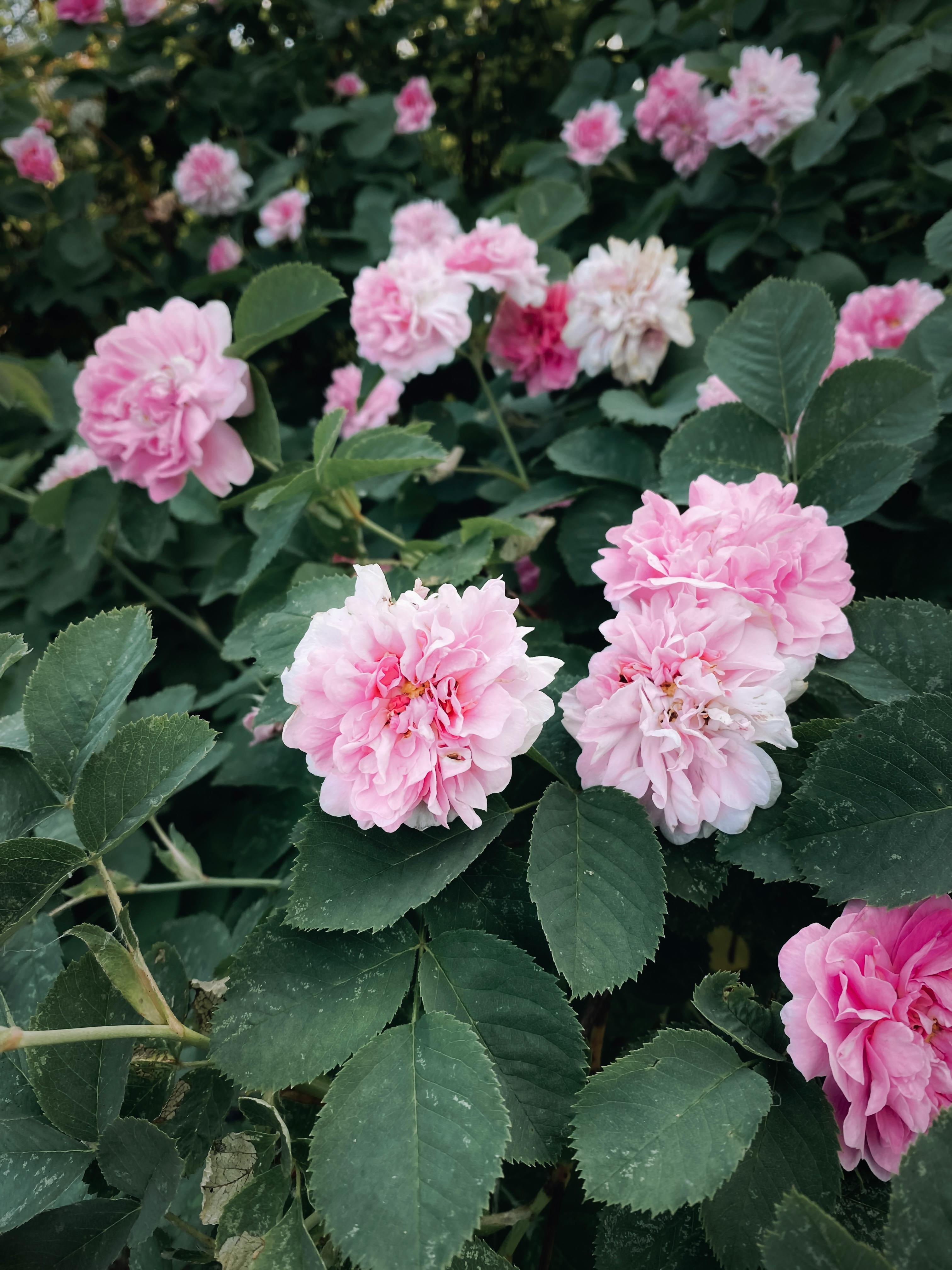
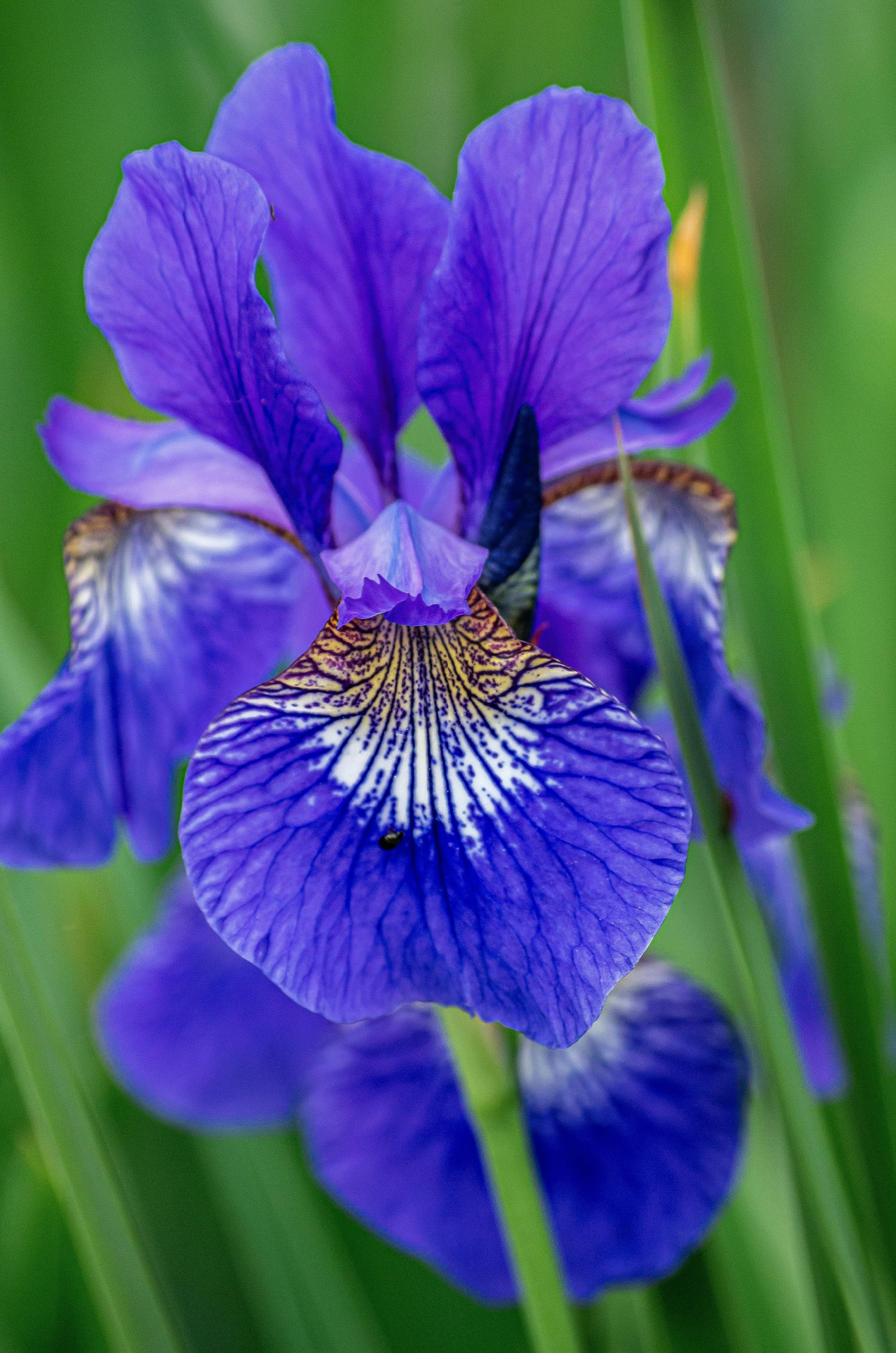
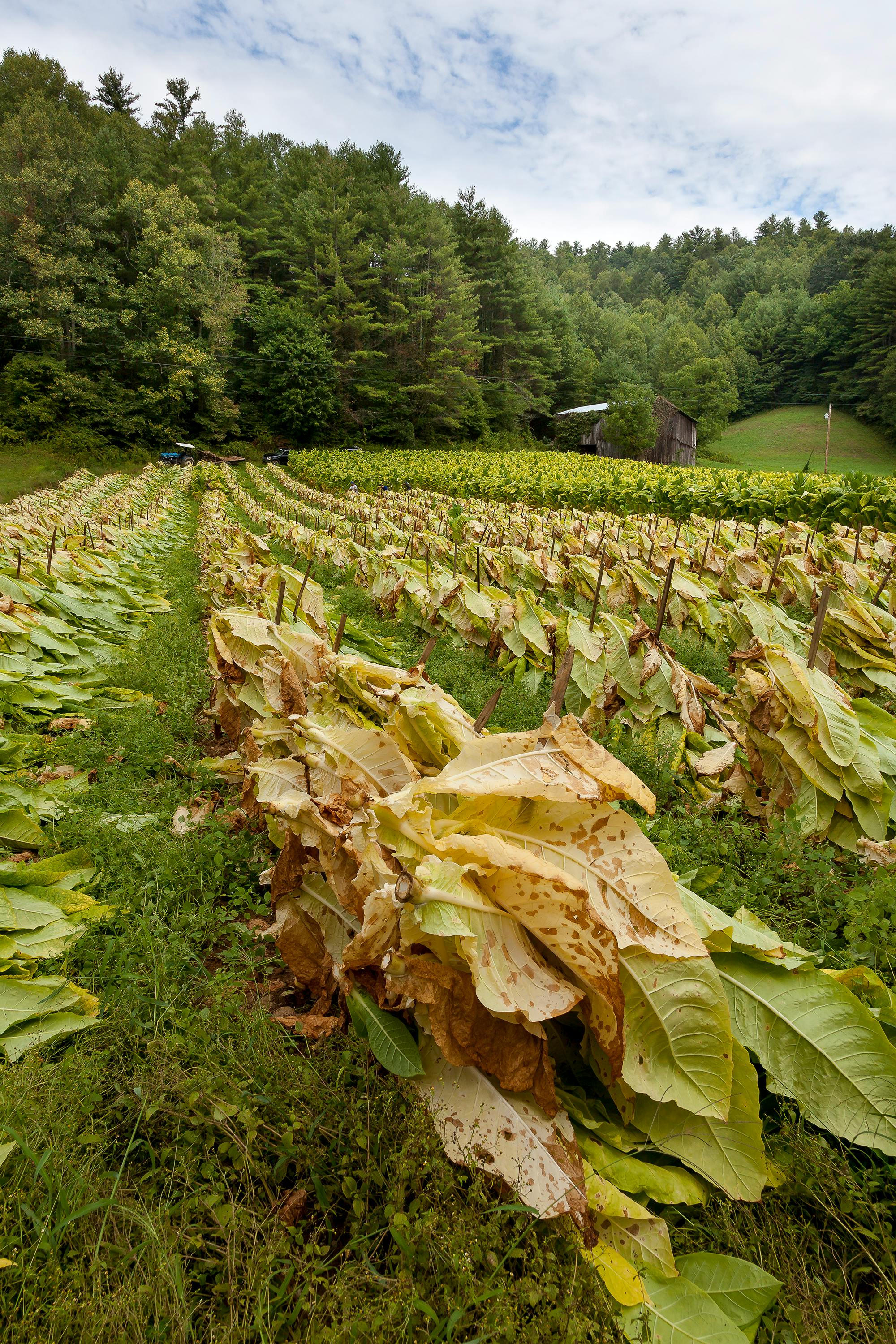
Not because six was the practical number, though it is. Not because six was the safe number. Six materials that I believe are iconic in perfumery — three that define what women's fragrance has always reached for at its most serious, three that define the same for men's. Rose, jasmine, iris. Vetiver, sandalwood, tobacco.
Each one is a world. Each one has centuries of perfumery built around it, and centuries more ahead. Each one is capable of carrying an entire composition on its own.
The challenge I will face is whether I can compose a fragrance that captures the different facets of each iconic material.
That is the premise of Foundations. Not that these are the only materials worth working with — there are hundreds. But that these six, done honestly, at Extrait concentration, with nothing added that does not serve the material — these six say something true about what fragrance can be when the ingredient is the idea.
Every collection has a rationale. The rationale for Foundations is simple: start with an iconic fragrance material, compose it with materials that exemplify its many facets.
I am not sure this journal has a purpose in the conventional sense.
It is not a newsletter. It is not a thought leadership platform. It is not a content strategy. It is, as far as I can tell, a record — of a journey that I think deserves to be written down somewhere, by someone who was actually on it.
I work with aroma chemicals. I study molecules and how changes to them shift odour profiles in ways that are sometimes predictable and sometimes completely surprising. I spend time with supply chains and understand where the materials that the fragrance world depends on actually come from. I have conversations at the frontier of what is possible — new molecules, new processes, new applications — and I watch ideas move from speculation to reality over years.
None of this gets written about from the inside.
The fragrance industry produces enormous amounts of writing about finished products — reviews, criticism, history, culture. Very little of it comes from the place where the materials originate. The supply chain is invisible to most people who love fragrance, and I understand why. It is technical. It is not romantic in the way that a perfumer's studio is romantic.
But I find it extraordinary.
I find the relationship between molecular structure and odour perception — the fact that a single atom in a different position can move a compound from woody to floral to metallic — to be one of the most interesting puzzles I know. I find the geography of aroma chemicals, the way geopolitical events ripple through to what a perfumer can work with three years later, genuinely fascinating. I find the conversation between chemist and perfumer, between manufacturer and customer, between what is possible and what is needed, to be endlessly productive.
I am a curious person. I have always been. And I have reached the point where I feel that this journey — the specific, particular journey of building something at the source of materials that the world smells but never sees — needs to be captured somewhere.
This is that somewhere.
I do not know exactly what will end up here. Notes on molecules. Observations from the supply chain. Thoughts on quality and what it actually takes to achieve it. Curiosities encountered in a week of work that I cannot stop thinking about.
Whatever it is, it will be honest. And it will be mine.
There is a moment, when you are working closely with a raw material, when it stops being an ingredient and becomes something else entirely. A presence. A point of view.
I have spent my life at that proximity. As a consumer of fragrance as well as someone who works with aroma materials at their source — who knows what vetiver root smells like before it becomes a perfume, what rose yields when nothing is asked of it except honesty.
That closeness changed how I listen.
Most fragrance begins with a story and finds ingredients to tell it. A mood, a memory, a place — and then the search for materials that approximate that feeling. I find I work in the opposite direction. The ingredient comes first. I sit with it, I question it, I try to understand what it is capable of when treated with absolute seriousness.
The answer is always more than expected.
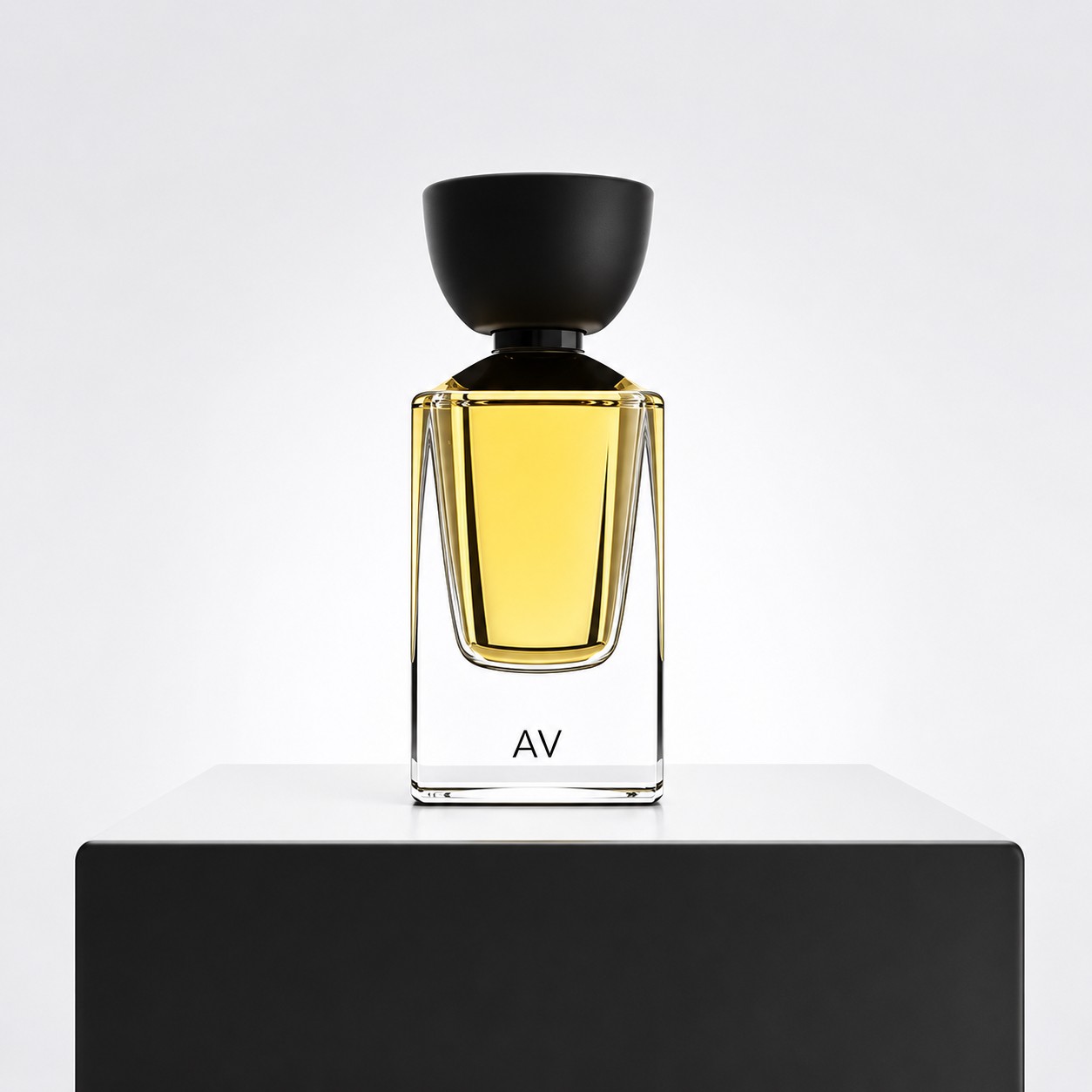
AV exists because of that surplus. Because rose, when nothing is added to it, is not what most rose fragrances suggest. Because jasmine’s difficult qualities are precisely its most beautiful ones. Because iris, built around a molecule that takes three years to form, smells like patience itself.
Foundations is six materials asked one question each.
What are you truly capable of?